
College Programs
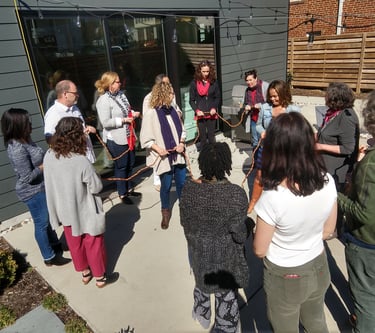
Experiential learning has a powerful impact across academic fields. In business programs, it strengthens strategic thinking, teamwork, and real‑world decision‑making through internships, case studies, and collaborative projects.
Engineering students benefit from hands‑on design challenges and problem‑solving tasks that mirror professional practice. In the humanities, experiential activities—such as community engagement, archival work, and collaborative research—help students apply critical thinking and communication skills in meaningful contexts.
The sciences rely on labs, fieldwork, and research experiences that build technical competence and scientific reasoning. Honors programs use experiential learning to push students toward deeper inquiry, interdisciplinary thinking, and advanced academic rigor.
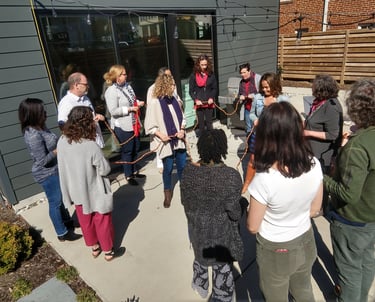
Leadership studies depend on real‑world practice, reflection, and group dynamics to help students develop confidence, ethical judgment, and the ability to guide others. Across all these areas, experiential learning enriches academic growth, strengthens practical skills, and prepares students to succeed in complex, collaborative environments.


team-X
matriX


eXcel
804 476 8828
info@yokedexperiences.com
© 2025. All rights reserved.
Building Meaningful Team Relations